

Whether you realize it or not, everything you do to provide value to customers is considered brand equity. To establish a strong brand image, you first need to identify your target audience and develop strategies on how to maximize their trust and loyalty.
In fact, for various reasons, consciously building brand equity is the winning strategy for driving organizational plans, but before delving into brand equity, it helps to firmly grasp the overall meaning of brand equity.
Once you learn how to build a brand, the next step is to establish strong brand equity. Consider your crash course on brand equity and how to leverage it to increase profits.
Defining brand equity
TextbookThe definition of brand equityIs:
The value premium that a company generates from a product with a recognizable name compared to a generic equivalent. A company can create brand equity for its products by making them memorable, easily identifiable, and superior in quality and reliability.
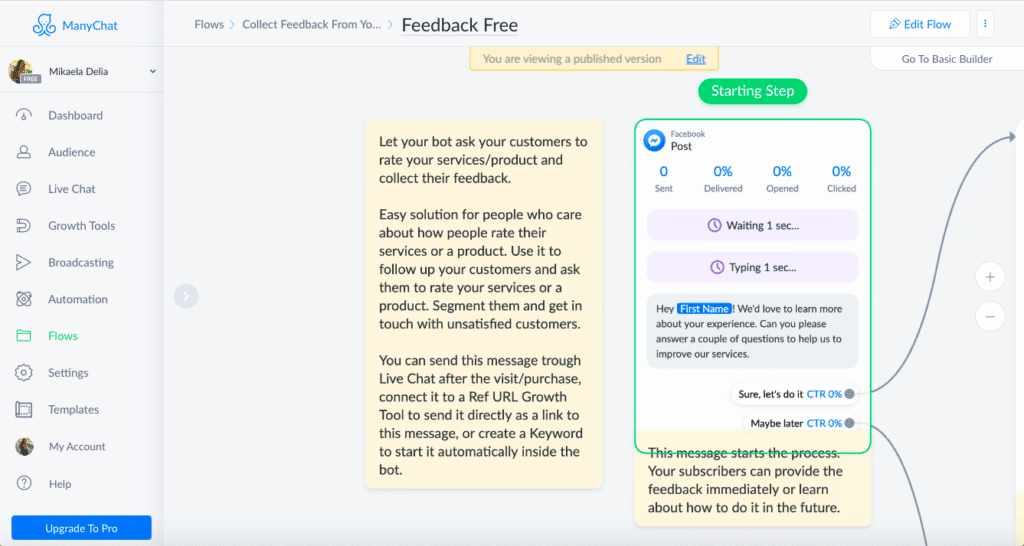
Your marketing campaigns are prime examples of building brand equity. In fact, every message or flow you use in the ManyChat dashboard contributes to your brand equity.
Why brand equity is important
Now that you know what brand equity is, it’s easy to see why it matters—even if you’re rebranding.
When a company has high positive brand equity, it increases the chances of retaining customers long-term, thereby increasing their lifetime value over time. Additionally, their customers are more likely to pay a premium for their products or services.
While it is relatively similar, it is not quite the same as brand loyalty or recognition. The main distinction is that brand equity goes further, solidifying a deep understanding of the brand name itself.
A good example to consider is Apple.
One of the most famous associations we have with the Apple brand is high-value technology products that are easy to use. If you are out looking for a new phone that has many features but is also user-friendly, you might think of Apple.
Why? Because they have built a high level of positive brand equity.
Subsequently, you can create negative brand equity, where the brand image is associated with negative impressions.
The three components of brand equity
Brand EquityCan be divided into three main parts: consumer awareness, negative or positive impact, and the value generated.
Consumer awareness–Your consumer awareness of the brand is how the audience perceives you and their connection with your brand. This is primarily influenced by their past experiences with your brand or the general reputation of your brand in the consumer market.
Negative or positive impact–Consumer perceptions can have a negative or positive impact on your brand image. If consumer perceptions are positive, it can attract and retain customers. If they are negative, it can repel or deter customers. Clearly, the goal is to build positive consumer perceptions and work to eliminate any negative ones.
UltimatelyValue–Ultimate value refers to the impact of your positive or negative perceptions on consumers. The resulting value can be both tangible and intangible. If you have positive brand equity, you can experience tangible value, such as increased profit margins. The intangible value generated by positive brand equity may be market awareness or goodwill.
Impact on profit margins
The most important reason for brands to build strong, positive brand equity is that it is directly related to their bottom line in improving profit margins.
When a brand successfully creates an impression of high value or reputation, customers are more likely to purchase their products at prices higher than competitors, even if both brands pay the same amount for materials.
Additionally, brand equity can greatly influence sales, as brands with better consumer awareness will find it easier to attract new customers. They will also find it easier to build customer loyalty, which will drive business growth and help you learn how to increase brand awareness.
Reconsidering the example of Apple, you can see how their brand equity helps them solidify key objectives. Most people upgrade to newer models of the same Apple technology when upgrading. Furthermore, these products are priced higher.
Both are results of positive growth in brand equity, which affects Apple's profit margins and protects its profits.
Examples of brand equity
Let’s look at some real examples of positive brand equity.
OneThe EquiTrend studyshows that consumers trust Tylenol more than other over-the-counter brands. Therefore, Tylenol expands its market by developing new products, such as Tylenol Extra Strength, Tylenol Cold and Flu, and Tylenol Sinus Congestion and Pain.
Geico's “15 minutes could save you 15% or more on car insurance” campaign built good brand equity by associating the brand name with cost savings. Now, when customers want cheaper car insurance quotes.
Tiffany & Co. has established good brand equity by establishing the concept that jewelry is a top luxury item, allowing them to successfully mark up higher prices.
How to build brand equity
The benefit of brand equity is that you may have already done it in one way or another. Now that you are consciously aware of what it is, you can take the necessary steps to accelerate building your own product.
1) Figure out how customers want to perceive you.
Building brand equity means establishing positive customer perceptions, especially in a clear domain. Establish the brand voice you want and use it to study your audience. Now, you may already have a significant competitive advantage in terms of customers, in which case you will need to guide your marketing plan to further drive it. You can also use this perception as a strategy to enhance brand personality and differentiate yourself from other companies.
2) Use your desired perception to drive your marketing.
Now that you know how you want to be perceived by customers, you can start building brand equity by executing a marketing plan that targets that asset.
For example, suppose you want customers to associate your brand name with excellent customer service. You can use this as a directive for your marketing campaign, such as setting up chat marketing to provide a higher level of customer support. The ManyChat dashboard allows you to activate pre-template processes that you can use to build brand equity.

3) Stay consistent.
One reason brands achieve excellent brand equity is that they remain consistent.
Their brand equity is not only the result of effective marketing plans but also because they have built their desired brand equity across almost every area of their organization. They embody their overall values.
For example, if a brand wants to be perceived as having a high level of customer service, this needs to be reflected in all departments, from accounting to marketing, from technical support to R&D. The best way to build brand equity is to focus on becoming the brand you want to be.
4) Listen to the voice of the customer.
Building positive brand equity means listening to and leveraging the affection of loyal customers towards you. In other words, you need to conduct some field research to determine what it means. Here are some starter guidelines:
- Use the processes in the ManyChat dashboard to ask customers to share details about their experiences.
- Create a customer nurturing email campaign to incentivize loyal customers to fill out surveys.
- Host forums or gather feedback from followers or subscribers on social media.
Important points
- Brand EquityYes The value premium generated by a company from products or services with recognizable names, compared to generic products. Companies can create brand equity for their products by making them memorable, easily identifiable, and superior in quality and reliability.
- When a company has high positive brand equity, it increases the chances of retaining customers long-term, thereby increasing their lifetime value over time. Additionally, customers are more likely to pay a higher premium for their products or services.
- The Apple brand is a great example of brand equity because it successfully associates the brand name with high value, user-friendliness, and strong support.
- The most important reason brands need to build strong positive brand equity is that it directly relates to their bottom line in improving profit margins. Brand equity can attract and retain customers, thereby giving them a competitive advantage and protecting their bottom line.
- You can build brand equity for your brand by following these steps: 1) Clearly understand how customers want to perceive you 2) Use it to drive your marketing campaigns 3) Stay consistent across the organization to build brand equity 4) Listen to your customers to provide opportunities to leverage what makes your brand outstanding in any specific area.
Please remember that when you start preparing to adopt a powerful brand strategy, it will give you a competitive advantage compared to other well-known brands. As long as you understand the full potential of the brand and effectively leverage its power, any investment you make in building brand equity will result in a good customer retention rate!
Source: https://manychat.com/blog/


